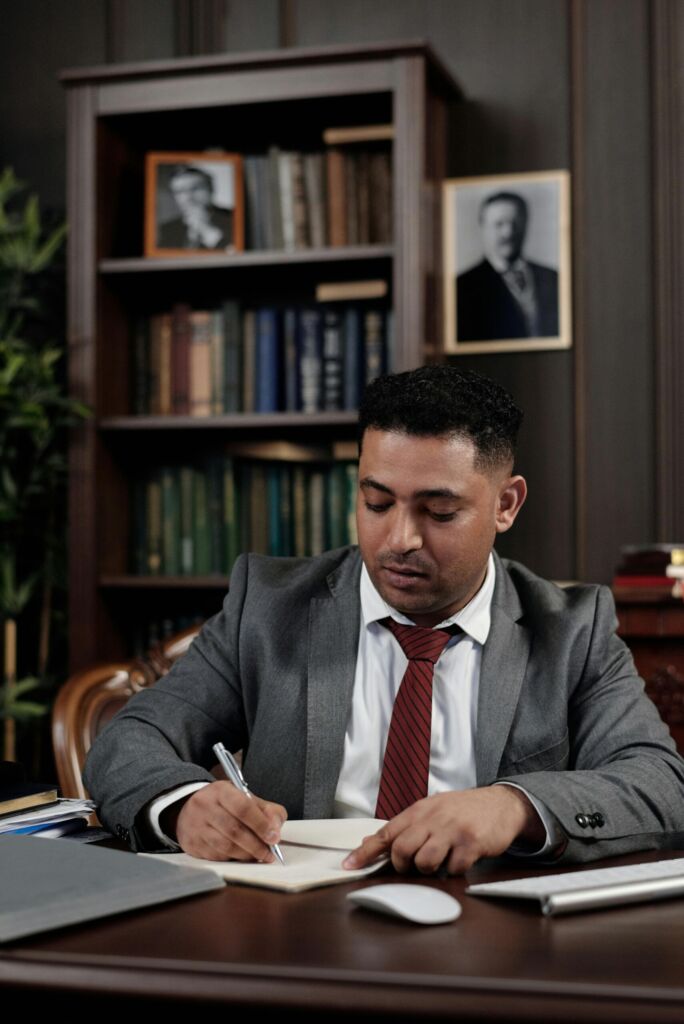
The average solo attorney bills somewhere between $250 and $450 an hour. The same attorney also takes between 18 and 35 phone calls a day. The math gets ugly fast.
A single five-minute interruption costs $20 to $40 in billable time. Multiply by ten interruptions a day, multiply again across a five-day week, and the phone is quietly eating $1,500 to $2,500 a week off your billables. That's before you count the calls that pull you out of deep work and cost you a productive afternoon.
This is a workflow problem, not a discipline problem. Below is a practical playbook for keeping the phone covered without giving up your billable hours.
Start with the math
Before you change anything, calculate your current phone tax. Pull last week's call log from your phone system. Count three numbers. Total inbound calls. Average call length. Time-of-day distribution.
Now pick your effective billable rate. Multiply average call length by the number of calls per day, then by your rate. That's your daily phone tax. For most solo attorneys it lands between $300 and $700 a day.
That number is the budget you have to spend on a better system. Anything that costs less than your phone tax pays for itself in week one.
The 3-second test
For every incoming call, ask one question. Can this call be answered in three seconds without breaking your current task?
Three seconds covers a quick "yes I'll be there at 2" or "I'll call you back at 4." It does not cover a new prospect explaining a personal injury matter. It does not cover a current client venting about opposing counsel. Those calls deserve real attention, and they need it from someone who has the time to give it.
If the call fails the 3-second test, it should be handled by someone other than you in the moment. That "someone" is a paralegal, a part-time receptionist, or a live answering service. The script is the same regardless.
A 60-second intake script
The script does five things. It captures who is calling. It captures the type of matter (so you can run a conflict check before calling back). It captures urgency. It captures the best callback window. And it sets a firm expectation for when you'll respond.
Here's a sample the answering service can run for a small firm:
- "Thanks for calling [Firm], this is [Agent]. May I have your full name and the best number to reach you?"
- "What kind of matter brings you to us today?" (Family, criminal, PI, business, estate, real estate.)
- "Is this time-sensitive, or is the next business day fine?"
- "Best window to reach you is morning, afternoon, or after 5?"
- "[Attorney] reviews messages between cases and will return your call within four business hours."
That's the whole job. The agent should not give legal information, should not quote rates, and should not confirm whether someone is a current client. The bar association rules and your malpractice carrier both prefer it that way.
When to take the call vs. queue it
Build a simple decision tree your phone team can follow.
- Take it now: named referral source, current client with an emergency, opposing counsel on an active case, scheduled callback time
- Take it within 30 minutes: new prospect on a serious matter (PI, criminal, family), current client with a non-emergency
- Queue for end-of-day callback: general questions, sales calls, document requests, anything that can wait
Publish this tree to your team. Update it quarterly. The friction in most small firms isn't deciding what counts as urgent; it's that nobody wrote it down.
Court, depositions, and mediation: total blackouts
There are blocks during the week when your phone has to be invisible. Court appearances. Depositions. Mediations. Substantive client meetings.
For those blocks, the rule is simple. The answering service or paralegal takes every call, runs the script, and never interrupts. You return everything inside four business hours after the block ends. Build the four-hour promise into the script so callers leave the call already calibrated.
The biggest mistake solo attorneys make here is checking the phone "real quick" between sessions. That five-second glance pulls you out of the case mentally for 20 minutes. Don't do it.
Voicemail strategy
Voicemail is a fallback, not a system. The right voicemail greeting does three things in under 15 seconds. It identifies the firm. It sets the callback expectation. And it tells the caller what to do if it's a true emergency.
A working script:
"You've reached [Attorney] at [Firm]. We return calls between 2 PM and 5 PM each business day. If your matter is genuinely urgent, please hang up and call back; our service will reach me directly."
Notice what's not in there. No long firm history. No list of practice areas. No promise to call back "as soon as possible," because that promise is meaningless and trains callers to assume you're slow.
The 30-minute callback promise
For prospects, the only number that matters is how fast you respond. Studies of legal lead conversion consistently show that response time is the strongest single predictor of whether the prospect signs. Inside 30 minutes, conversion is significantly higher than inside an hour.
Build a 30-minute callback promise into your intake workflow. The answering service captures the lead. They text you (not email) within five minutes. You return the call within 30 minutes during business hours, or first thing the next morning if the call comes in after hours.
If you can't keep that promise consistently, hire help. Missing it twice with a serious prospect is worse than not promising it at all.
A sample week from a 2-attorney firm
Here's a representative week from a small family-and-estate practice running this exact workflow.
- 142 inbound calls
- 38 handled directly by the firm (scheduled, named referrals, opposing counsel)
- 81 captured by the answering service, scripted intake, callbacks queued
- 23 marked urgent, attorney text-paged, returned within 30 minutes
- 4 sales calls dropped without an interruption
The two attorneys reclaimed roughly 9 hours of focused billable time per week between them. At $325 an hour, that's $2,925 in additional weekly billables, against an answering service cost of about $400.
A 10-minute audit you can run today
If you want to know whether you have a phone tax problem, do this audit before you do anything else.
- Pull last week's call log from your phone system.
- Count total inbound calls.
- Estimate average call length.
- Multiply by your effective billable rate.
- Compare to what an answering service would cost for the same period.
For most solo and small-firm attorneys, the math makes the decision obvious before the audit is even finished.
ACC Solutions has been the live phone team for solo attorneys and small firms for decades. If you'd like to see what a script-trained, conflict-aware intake line plugs into your practice, start with our attorney answering service overview or contact us for a sample script and pricing walkthrough.
Written by